The most effective cool seo tools in 2026 are not just keyword trackers or backlink checkers. They are full-cycle automation platforms that find the right keywords, generate GEO-optimized content, and publish on a schedule, so you rank on Google and AI search without manual effort. Choosing the right tool depends on three factors: how much of the workflow you want automated, whether you need AI search visibility (Perplexity, ChatGPT, Google AI Overviews), and your budget relative to output volume. This guide breaks down the best categories, compares approaches, and gives you a clear verdict on where to invest.
AI Content Generators That Write SEO-Optimized Blog Posts From a Single Keyword
The fastest way to scale content production is to hand a keyword to an AI and receive a publish-ready article in return. According to SEOptimer's content generator research, tools in this category can produce entire SEO-optimized blog posts 10x faster than manual writing, supporting 20+ languages starting at $29/month. SEOptimer's own Keyword Research tool surfaces over 5 billion keywords and search data points, giving content teams a deep well to draw from before a single word is written. That combination of research depth and generation speed is what separates modern AI content generators from older template-based tools.
One platform worth examining closely is eesel AI, which turns a single keyword into a full publish-ready article, complete with assets, for $99 annually covering 50 posts. According to eesel AI's breakdown of top AI SEO content generators, this pricing model makes high-volume content production accessible to solo bloggers and small teams who previously could not afford agency-level output. The key differentiator here is the asset bundling: images, meta descriptions, and structured outlines are generated alongside the article body. For teams managing editorial calendars, this removes three separate production steps in one action.
NeuronWriter takes a slightly different approach by anchoring generation in semantic optimization. It supports 170+ languages, integrates directly with WordPress, Google Search Console, and Shopify, and offers one-click article generation built on NLP analysis. That multilingual depth makes it one of the more versatile ai seo content writer options for brands operating across multiple regional markets. The WordPress integration is particularly practical: you draft, optimize, and push to publish without switching tabs.

Low-Competition Keyword Tools for Bloggers: RankIQ
Not every content team needs enterprise-scale data. RankIQ curates low-competition keywords specifically for bloggers, stripping away the overwhelming dashboards that make tools like Semrush feel like overkill for a niche site. The platform's value is in curation: instead of surfacing 10,000 keyword variations, it hands you a shortlist of terms where ranking is realistically achievable within weeks. In our experience, content teams that prioritize targeted low-competition terms over high-volume vanity keywords see faster ranking timelines and better ROI on their writing investment. RankIQ is one of the cleaner examples of a seo writing tool built around a specific user's actual workflow rather than a feature checklist.
On-Page Content Optimization Tools That Score Your Draft Against Real SERP Data
Writing an article without knowing how it compares to the current top 10 results is essentially guessing. On-page optimization tools solve this by pulling live SERP data and grading your draft in real time. Surfer SEO's Content Score is the most widely recognized metric in this category: it grades drafts against top competitors, surfacing keyword density gaps, missing semantic terms, and structural weaknesses that would otherwise only become visible after a failed ranking attempt. The score updates as you write, which means you can close gaps before publishing rather than after.
Clearscope operates at the enterprise end of this category, using NLP analysis and an A-F grading system to assess ranking potential. Its Answer Engine Optimization features track visibility not just on Google but across AI chatbots, which matters increasingly as search behavior shifts toward conversational queries. For content teams managing large editorial operations, Clearscope's grading system provides a consistent quality benchmark that scales across multiple writers and topics. The A-F format is also useful for non-technical stakeholders who need a quick signal on content readiness without interpreting raw keyword data.
A mid-size SaaS company evaluating on-page optimization tools would typically face a choice between Surfer SEO's real-time editing environment and Clearscope's post-draft analysis workflow. The former suits teams that want optimization baked into the writing process; the latter suits teams with dedicated editors who review drafts before publication. Both approaches improve ranking outcomes compared to unoptimized content, but the workflow fit matters as much as the feature set. Choosing the wrong workflow model leads to tool abandonment, not better content.
Surfer SEO's real-time Content Score grades drafts against top competitors, directly improving ranking chances by closing keyword and semantic gaps before a single page goes live.
All-in-One SEO Platforms With Cool SEO Tools Built Into a Single Workflow
The most common productivity drain in SEO content production is context switching: keyword research in one tab, competitor analysis in another, writing in a third, optimization in a fourth. All-in-one platforms eliminate this by consolidating the entire workflow into a single workspace. Scalenut's Cruise Mode is a strong example: it guides users from keyword research and competitor analysis through to an optimized draft without leaving the platform. According to Averi AI's guide to the best AI tools for SEO content creation, guided workflow tools like this reduce average content production time by consolidating steps that previously required three or four separate subscriptions.
Semrush's Keyword Magic Tool adds another layer of precision to this category with its custom Personal Keyword Difficulty (PKD%) scores. Rather than showing a generic difficulty score based on domain authority benchmarks, PKD% calculates difficulty relative to your specific site's current authority. This means a site with 30 referring domains gets a realistic difficulty reading rather than a score calibrated for sites with 3,000 backlinks. For teams building content strategies around achievable rankings, this distinction changes which keywords make the cut. It is one of the more practically useful refinements in ai keyword research tools available today.
The comparison table below outlines the key differences between the main tool categories, helping you match your workflow needs to the right approach.
| Tool Category | Primary Function | Best For | Automation Level | Typical Starting Price |
|---|---|---|---|---|
| AI Content Generator | Keyword-to-article in one step | Solo bloggers, small teams scaling output | High (full draft automation) | $29/mo or $99/yr (50 posts) |
| On-Page Optimizer | Real-time SERP-based content scoring | Editors and writers polishing drafts | Medium (assisted editing) | $49-$89/mo |
| All-in-One SEO Platform | Research + writing + optimization in one workspace | Mid-size teams consolidating tools | Medium-High (guided workflow) | $39-$79/mo |
| AI Writing Assistant | Marketing copy and long-form content automation | Marketing teams needing brand consistency | Medium (template + AI) | $59/mo |
| Real-Time Data Integration Tool | Live SEO data from Ahrefs, Semrush, GSC | Data-driven content strategists | High (multi-LLM + live data) | $16-$49/mo |
| Hands-Free Publish Platform | Keyword research + GEO writing + auto-publishing | Businesses targeting Google and AI search | Full (zero manual steps) | Varies by plan |
Versatile AI Writing Assistants and Real-Time SEO Data Integration
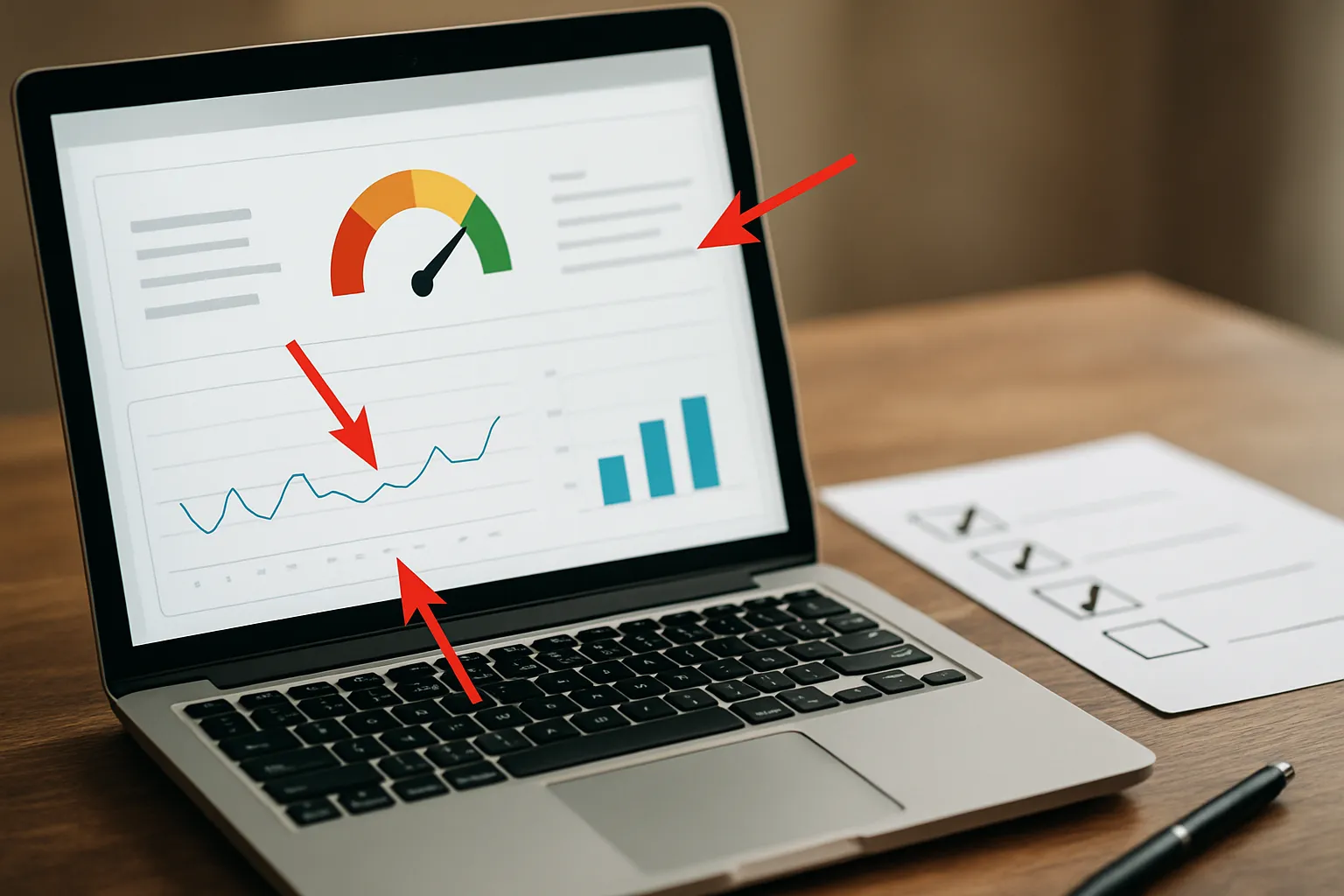
Jasper sits at the intersection of marketing automation and SEO content production. Its Content Pipelines feature allows teams to build repeatable workflows for specific content types, from product pages to thought leadership articles, while its brand consistency controls ensure tone and terminology stay aligned across hundreds of pieces. Starting at $59/month, it targets marketing teams that need volume without sacrificing brand voice. The platform's strength is not raw SEO optimization but the operational scaffolding it provides for teams managing multiple content streams simultaneously. Get Google, ChatGPT traffic on autopilot by pairing a writing assistant like Jasper with a platform that handles keyword research and publishing scheduling automatically.
Writesonic takes a different angle by integrating directly with Ahrefs, Semrush, and Google Search Console to pull real-time SEO data into the writing environment. It accesses multiple LLMs including GPT-4o, Claude, and Gemini, which means the quality of output can be tuned depending on the task. According to Whatagraph's analysis of AI SEO tools, real-time data integration is one of the most significant differentiators between first-generation AI writers and current-generation seo tools 2026. The ability to pull live keyword difficulty and search volume directly into a draft removes a full research step from the production cycle.
The practical difference between a general AI writing assistant and a real-time data-integrated tool comes down to how much manual research you are willing to do. Jasper produces polished, brand-consistent copy but requires you to feed it keyword targets and competitive context. Writesonic surfaces that context automatically. For teams that already have strong keyword research processes, Jasper's output quality may justify the workflow separation. For teams that want a tighter loop between research and writing, real-time integration tools reduce the gap between insight and execution.
How to Choose Between AI Writing Assistants and Data-Integrated Platforms
The decision framework is straightforward. If your bottleneck is writing speed and brand consistency, an AI writing assistant solves it. If your bottleneck is knowing what to write and how to optimize it before publishing, a data-integrated platform addresses the root cause. Most teams that start with writing assistants eventually add an optimization layer, which means paying for two subscriptions. Platforms that combine both functions from the start tend to deliver better cost efficiency over a 12-month horizon. This is worth factoring into any tool evaluation that goes beyond a 30-day trial window.
Hands-Free Automation: From Keyword Discovery to AI Search Ranking Without Manual Work
The content gap that most cool seo tools fail to close is the last mile: publishing. A tool can generate a perfect article, score it at 90/100 on content optimization, and still require a human to schedule, format, and push it live. For businesses running lean teams or managing multiple sites, that final step is where production velocity breaks down. Hands-free automation platforms address this by connecting keyword research, GEO-optimized content generation, and scheduled publishing into a single pipeline that runs without manual intervention.
GEO-optimized content is specifically structured to rank not just on Google but on AI search engines like Perplexity and within ChatGPT responses and Google AI Overviews. This requires more than keyword insertion: it demands structured data, clear entity definitions, and content formats that AI systems can extract and cite. Rank on Perplexity, ChatGPT & Google AI Overviews by using a platform that builds these structural signals into every article it generates, rather than treating them as an afterthought in the editing phase.
Rankfast is built specifically for this full-cycle, zero-effort workflow. It finds the right keywords, writes GEO-optimized articles, and publishes them on a schedule so your site accumulates ranking content without requiring a dedicated content team. For businesses that need consistent organic traffic growth but cannot justify hiring writers, editors, and SEO strategists separately, this kind of integrated platform delivers the output of a full content operation at a fraction of the cost. The scheduling component is particularly valuable: content published consistently over time compounds in ranking authority in ways that sporadic publishing cannot replicate.

How to Evaluate Cool SEO Tools Before Committing to a Subscription
Most SEO tool evaluations fail because they focus on feature lists rather than workflow fit. A tool with 50 features you will never use is less valuable than a tool with 5 features that slot directly into your existing process. The first question to ask is: where does your content production actually break down? If the answer is keyword discovery, prioritize ai keyword research tools with depth and filtering. If the answer is content quality, prioritize content optimization ai with real-time scoring. If the answer is publishing volume, prioritize automation platforms with scheduling built in.
Pricing structure matters more than headline price. A $29/month tool that requires three additional subscriptions to complete your workflow costs more than a $79/month all-in-one platform. Calculate cost per published article rather than cost per month: divide your monthly subscription by the number of articles you realistically produce. Teams that run this calculation often discover that their current tool stack costs $8-15 per article when all subscriptions are factored in, while integrated platforms bring that figure closer to $2-4 per article at scale.
Trial periods reveal workflow friction that feature pages hide. During any free trial, run one complete content cycle from keyword selection to published article. Note every step where you had to leave the platform, consult documentation, or wait for a process to complete. These friction points are where time gets lost at scale. A tool that feels slightly slower in a 30-minute demo but eliminates three manual steps in a real workflow will save hours per week once you are publishing at volume. Get Your Brand Mentioned by ChatGPT by choosing a platform that structures content for AI citation from the ground up, not one that treats AI search as a secondary feature.
Frequently Asked Questions About cool seo tools
What are the best AI SEO tools for content creation?
The best AI SEO tools for content creation combine keyword research, AI writing, and on-page optimization in one workflow. Top options include AI content generators that produce full articles from a single keyword, on-page optimizers that score drafts against live SERP data, and hands-free platforms that automate the entire cycle from research to publishing. The right choice depends on whether you need assisted writing, real-time optimization, or full automation.
How does Surfer SEO's content score work?
Surfer SEO's Content Score analyzes the top-ranking pages for your target keyword and grades your draft based on keyword usage, semantic term coverage, content length, and structural elements relative to those competitors. The score updates in real time as you write, allowing you to close gaps before publishing. A higher score correlates with better alignment to what Google currently rewards for that specific query.
What is the difference between Jasper and Writesonic for SEO?
Jasper focuses on brand consistency and marketing content automation, with Content Pipelines for repeatable workflows, starting at $59/month. Writesonic integrates directly with Ahrefs, Semrush, and Google Search Console to pull real-time SEO data into the writing process, using multiple LLMs including GPT-4o and Claude. Jasper suits teams that prioritize voice consistency; Writesonic suits teams that want live keyword data embedded in the drafting environment.
Are there free AI SEO content generators worth using?
Free tiers exist across several cool seo tools, but they typically cap monthly output at 2-5 articles and exclude advanced features like real-time SERP data, GEO optimization, and publishing integrations. For testing workflow fit, free tiers are useful. For production use, the cost per article on paid plans is almost always lower than the time cost of working around free-tier limitations. Most serious content operations move to paid plans within the first month.
What is Answer Engine Optimization (AEO) and which tools support it?
Answer Engine Optimization (AEO) is the practice of structuring content so that AI systems like ChatGPT, Perplexity, and Google AI Overviews can extract and cite it in response to user queries. Clearscope tracks visibility across both Google and AI chatbots using NLP analysis and its A-F grading system. Platforms built for GEO-optimized content generation, like Rankfast, structure every article with AEO signals from the start, targeting AI search visibility alongside traditional Google rankings.
Summary
- Match tool category to workflow bottleneck: AI content generators solve volume problems, on-page optimizers solve quality problems, and hands-free automation platforms solve the entire cycle including publishing.
- Calculate cost per article, not cost per month: All-in-one platforms that include keyword research, GEO writing, and scheduling typically deliver lower per-article costs than stacked single-purpose subscriptions.
- GEO optimization and AEO are now non-negotiable: Content that ranks only on Google misses an increasing share of search traffic flowing through AI systems. Choose tools that build AI search signals into content structure by default.
Conclusion
The landscape of cool seo tools has shifted decisively toward automation, integration, and AI search visibility. Point solutions for keyword research or content scoring still have a place, but the teams seeing the strongest organic growth in 2026 are those using platforms that close the loop from keyword discovery to published, GEO-optimized content without manual handoffs. Whether you are a solo blogger targeting low-competition keywords or a marketing team managing enterprise content operations, the evaluation criteria are the same: workflow fit, cost per article, and built-in support for AI search ranking. Invest in tools that eliminate friction at every step, and the compounding effect on your organic traffic will be measurable within a quarter.